





514.880.9395
KSR Kosher

Kashrus guide

KSR Beginner's Guide to Kosher

You’ve heard the word “kosher” countless times, yet you are not entirely certain what it entails.

You’ve come to the right place. In this kashrus guide we break down the main points involved in the concept.

Do note, however, that tens if not hundreds of thousands of pages have been published on the topic. Calling this page an overview would be an understatement.

Kosher, Defined

The term “kosher” comes from the Hebrew word “kashrus,” which means “fit” or “proper.” It refers to a set of dietary laws and food-preparation guidelines set out in Jewish religious texts, primarily the Torah.

Kosher food adheres to these rules and is considered suitable for consumption by observant Jews. The key principles of kashrus include the prohibition of certain animals, such as pigs and shellfish, and the separation of dairy and meat. Kosher food must also be prepared and processed according to specific rules that ensure its purity and adherence to religious standards.

Torah

Source 1 of 3

Gemara

Source 2 of 3

Shulhan Arukh

Source 3 of 3

Observing kashrus is not only a religious practice but also a way for Jewish people to stay connected to their heritage and to show their commitment to a righteous and spiritually fulfilling life.

Instructions for the practical application of these laws were passed down through oral tradition, later published as the Gemara, commonly known as the Talmud.

In the 16th century, Rav Yosef Karo, known as “Maran” (Our Master) or the “Mechaber” (The Author), wrote a commentary called the Beth Yossef, then condensed it into what is known today as the Shulhan Arukh, available as a 16-volume set.

To this day, every reference to the laws of kashrus points back to the Shulhan Arukh volumes called Yoreh Deah.

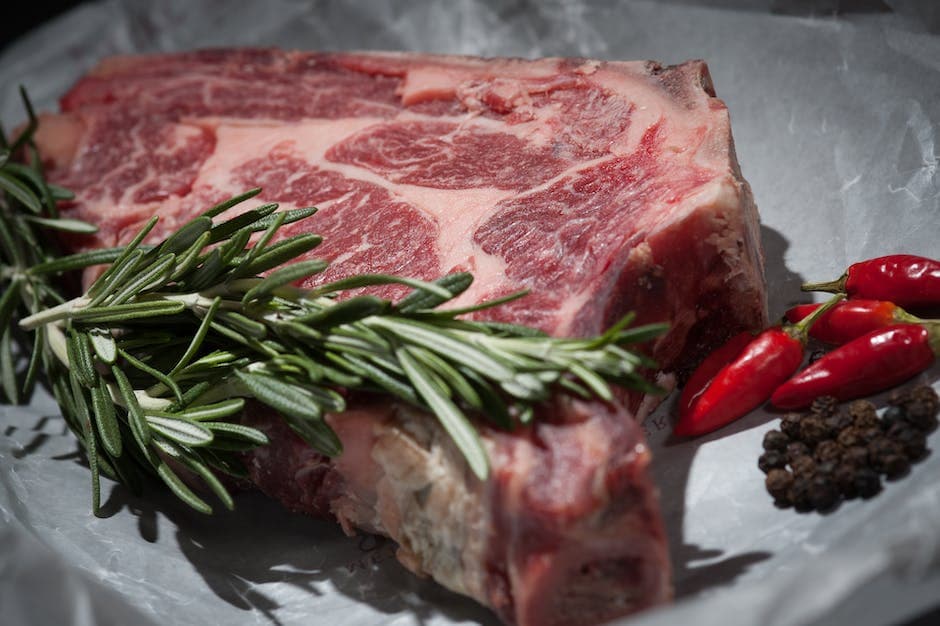
Meat

The term “meat” covers the edible flesh of specific mammals and poultry.

Under Jewish dietary law, several crucial criteria must be met for meat to be kosher. It must come from ruminant animals with cloven hooves, such as cows, lambs and deer.

Kosher poultry includes chicken, geese, quail, dove and turkey.

Kosher meat must be slaughtered by a shochet, a person specially trained and certified to slaughter animals according to Halacha.

After slaughter, the shochet examines the animal for “treifot”: physical defects, injuries or conditions that make it unfit for kosher consumption. They can result from disease, injury or malformation and are not always immediately visible.

As a final step before consumption, the meat must be salted to remove any trace of blood.

All utensils used to slaughter and prepare the meat must be kosher and reserved exclusively for meat and meat products.

Parve

The term “parve” (or “pareve”) refers to neutral foods — foods that contain neither milk nor meat ingredients.

These foods, such as fruits, vegetables, grains and certain fish, can be eaten with both dairy and meat dishes without breaking kosher rules, which gives great flexibility in meal preparation.

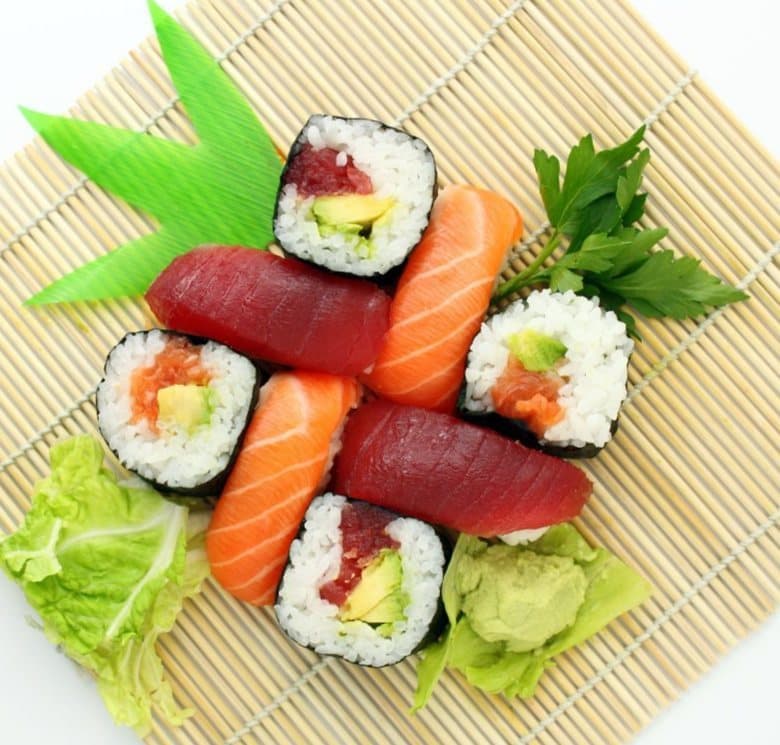
Fish are kosher when they come from creatures that have both fins and scales, such as tuna, salmon, halibut and sardines.

Aquatic creatures without these traits, such as shrimp, crab, oysters, lobster and other shellfish, are prohibited.

Unlike meat, fish does not require separate utensils and may be eaten with either meat or dairy (although Halacha does not allow fish and meat to be eaten together).

Eggs from kosher fowl or fish are permitted as long as they contain no trace of blood, which requires each egg to be checked individually.

Like fish, eggs may be eaten alongside meat or dairy.

Dairy

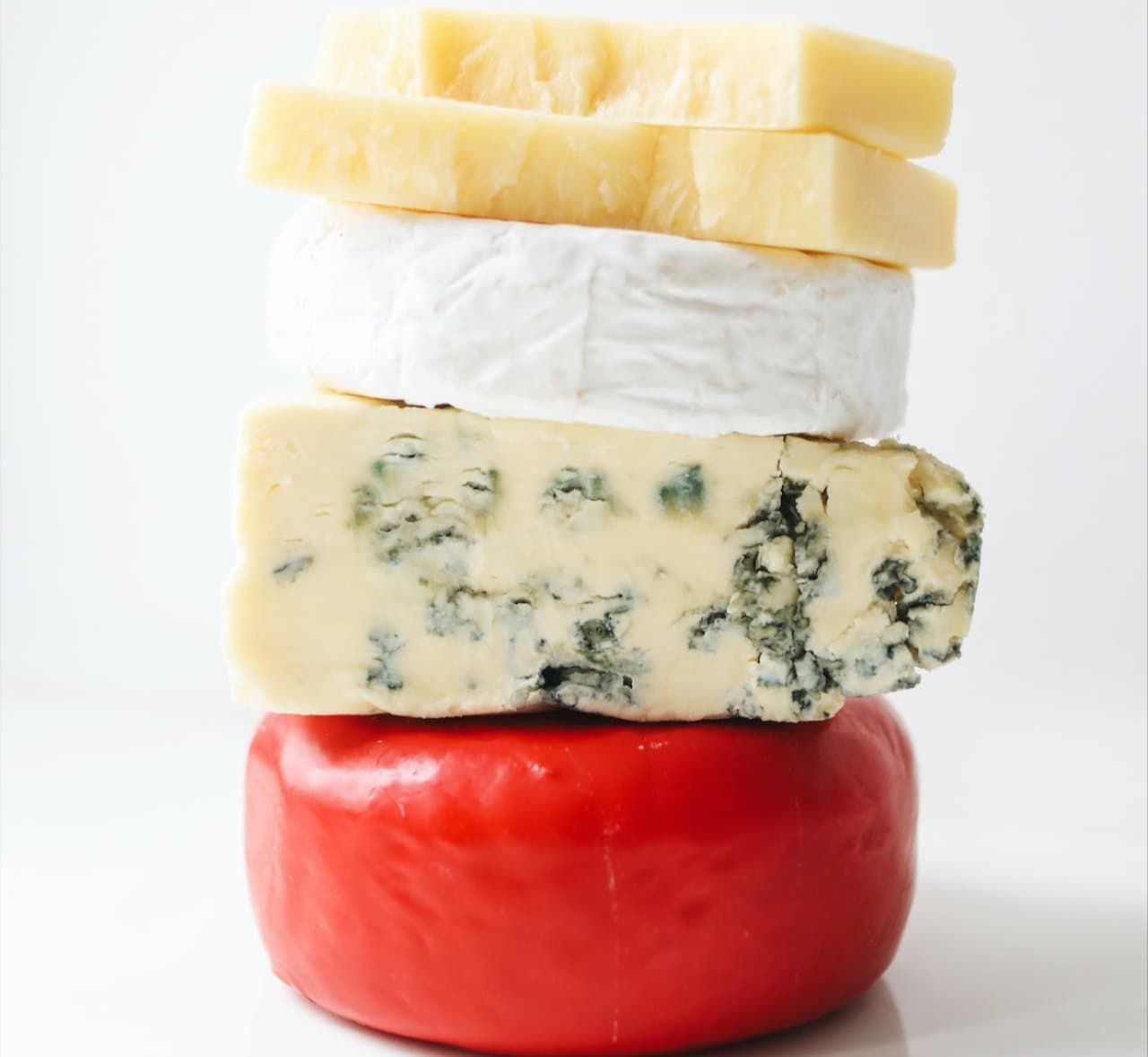
Under kosher dietary law, dairy products such as milk, cheese, butter and yogurt are permitted, provided they meet certain requirements.

Dairy products must come from a kosher animal.

Dairy products must never come into contact with meat derivatives such as gelatin. This separation is especially crucial for hard cheeses and processed cheese products.

Dairy products must be prepared with kosher utensils and equipment reserved exclusively for dairy. These strict rules show the meticulous care taken to keep dairy and meat apart in kosher food preparation.

Earth-Grown Foods

Earth-grown foods are parve and may be eaten with either meat or dairy.

Nonetheless, they have their own kosher guidelines, especially regarding how they are processed.

Bread

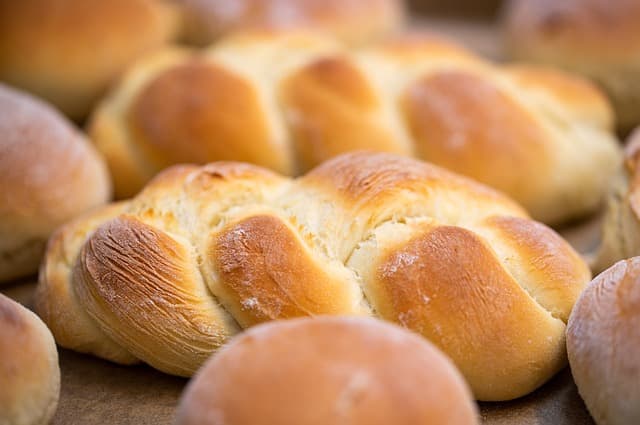
Bread and pastries must be made with kosher-certified ingredients. Basic ingredients such as flour, water, yeast and salt are generally kosher, but any additive, such as enzymes or emulsifiers, must also be kosher.

Bread and pastries meant to be eaten with meat should not contain dairy ingredients. If they do, they must be marked “dairy” to show they are not neutral.

Bakeries must also keep separate equipment and utensils for dairy and meat products, so that no cross-contamination occurs during production.

Fruits and Vegetables

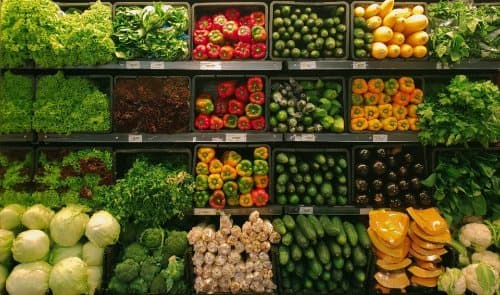
Fruits and vegetables are kosher in their natural state. However, fresh produce must be inspected for insects or worms before it is eaten.

Products manufactured on equipment that also processes non-kosher items, such as milk or meat, are not considered kosher.

In Israel, “Orla” — fruit from a tree during its first three years of growth — is prohibited, and “Maaserot” (tithes) must be taken from all agricultural produce.

Every seven-year cycle ends with Shmita, a full year in which the land of Israel rests from all agricultural work.

Since many farmers are not observant, every product exported from Israel must bear a kosher certification.

Alcoholic Beverages

Wine

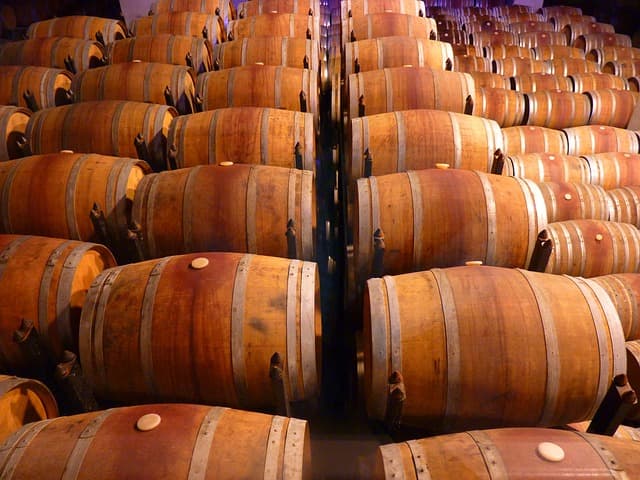
Kosher wine production is closely supervised by a mashgiach from the grape harvest through bottling and sealing. From harvest to crush, the grapes may be handled only by Jews, and only kosher additives and fining agents may be used.

Wine production is prohibited on Shabbat and holidays. Since some wineries are not Jewish-owned, measures are taken so their kosher division operates only when permitted.

Wineries must use kosher equipment — storage tanks, hoses and fermentation vessels — that has not been in contact with non-kosher wine or other substances such as dairy or meat.

Beer

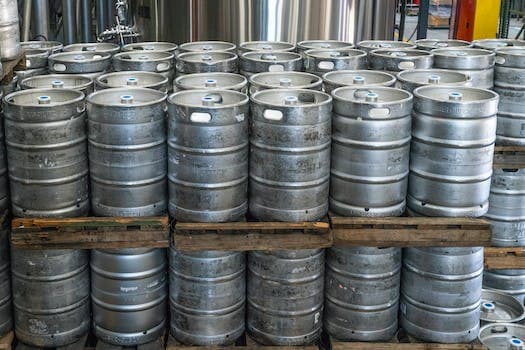
Since classic beer is brewed from the same four ingredients — grain, yeast, hops and, of course, water — certification is generally not required.

Flavoured and specialty beers, on the other hand, always need certification. Some breweries are certified but don’t print it on their labels; in that case, check the Kosher Alcohol List before drinking.

Microbreweries and craft beers raise other issues. Control over their process is very limited, which can lead to significant kashrus concerns. Some even operate on premises that serve non-kosher food, with possible cross-contamination.

Whiskey & Spirits

As with beer, whiskey is generally kosher, since distilleries follow the same steps and ingredients to produce their spirits.

A frequent concern is sherry casks: spirits matured in barrels previously used for wine. Some halachic authorities hold that whiskeys “aged in sherry casks” need no certification; many others hold that they do, so ask before you buy.

All grape-based spirits, such as cognac and brandy, fall under the laws of wine above and must be certified.

As with everything kosher, there are exceptions, so consulting the list of permitted spirits is highly recommended.

Passover

“Kosher for Passover” is a special designation observed during Passover, the holiday that commemorates the Exodus of the Israelites from slavery in Egypt.

During Passover, strict rules prohibit leavened products (chametz) such as bread, pasta and certain grains, and every food and ingredient used must meet the rigorous standards of kashrus. The centrepiece of the Passover table is unleavened bread: matza.

Kosher-for-Passover foods must be prepared and certified free of chametz, in addition to meeting all regular kosher requirements.

What this all means for you

If you landed on this page out of curiosity, or are thinking of setting up a kosher kitchen at home, know that today’s food industry has a highly organized certification system: every packaged product either bears a certification stamp or it doesn’t.

There are many certification symbols around the world, and it can take some effort at first to learn which ones are reliable. Over time, a quick glance will tell you whether an item goes in your cart or back on the shelf.

Restaurants and stores are a little different. A kosher establishment usually displays a sign indicating its kosher status — but it is crucial to ask, by phone or in person, which authority certifies it, and to check that this certifier is reliable.

Perhaps you are thinking of opening a kosher food business, or converting your current one. Then things become considerably more intricate: declaring that you serve kosher food assures your customers that your entire process, from start to finish, faithfully follows Halacha. Maintaining such a standard can be overwhelming — and new customers have little reason to trust you blindly.

This is where a reputable certifying organization makes all the difference. When customers see that your certification comes from a trusted authority like the KSR, their confidence is secured instantly, and your job becomes growing your brand.

Ready to get KSR certified?

Let's get Kosher!